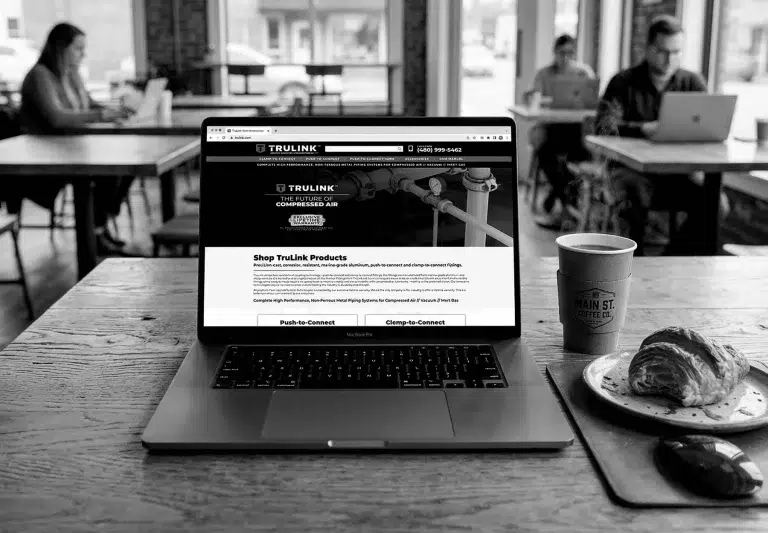
Your website looks good. Visitors don’t complain. But every time you try to update a plugin, edit a page, or add a simple feature, you hit a wall. The theme hasn’t been updated since 2019. You’re locked into a page builder that feels like it was designed to torture you. Or you inherited a Frankenstein site that technically functions but makes you want to throw your laptop out the window every time you log in.
This is the exact problem website conversions solve, and it’s way more common than you’d think. Nearly 43% of all websites run on WordPress, but a significant chunk of those are built on abandoned themes, deprecated plugins, or custom code that nobody remembers how to edit. You’re not stuck with a bad site. You’re stuck with bad infrastructure. A website conversion swaps your outdated backend for a modern WordPress + Elementor Pro build. Same design, same content, same visitor experience. Just a backend that actually works.
Start scrolling through Upwork or Fiverr when you need a website built and you’ll find plenty of options. What you won’t find much of is accountability six months later when a plugin update breaks the site at 9 PM on a Friday.
If you run a solo marketing agency or a small branding shop, you’ve probably been here before. A client needs a website. You don’t have in-house developers. You find a freelancer who seems capable, the price is right, and the project gets done. Then three months later the client emails you because something’s broken and the freelancer isn’t responding. Now it’s your problem.
That’s the moment most agency owners start looking for something between “freelancer I found last week” and “full-time developer I can’t afford to hire.” This is what a development partner actually looks like and why it works better than either option.

Your website doesn’t have to be completely broken to be holding your business back. Sometimes it’s obvious — the design looks dated, the branding has changed, or you’ve been avoiding sending people to your URL because you’re embarrassed by it. Other times the problem is less visible. A site built before 2023 may be missing the technical structure that modern search engines and AI platforms need to find and reference your business. That’s not a design problem. It’s an infrastructure problem. There’s also a difference between a redesign, a rebuild, and a conversion — and knowing which one your site actually needs can save you a lot of time and money. A discovery call with AdamsWP is free, takes under 30 minutes, and typically surfaces a clear path forward without any obligation.
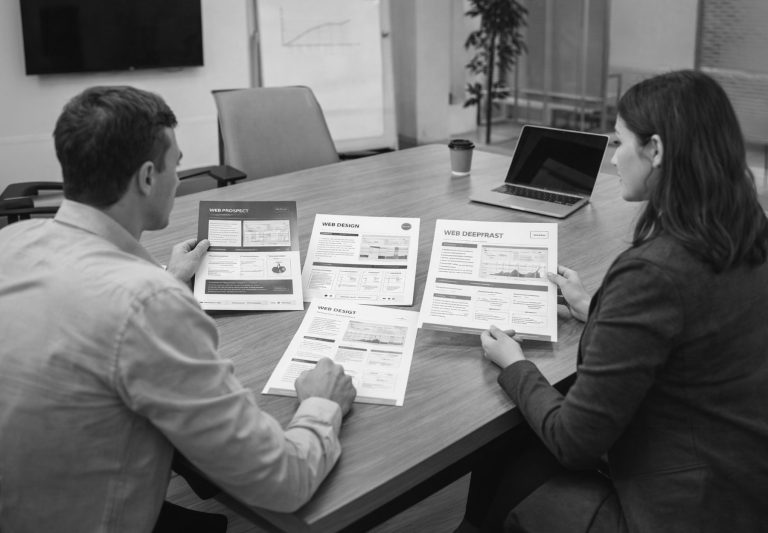
Shopping for a website in Charlotte means sorting through quotes that range from $2,500 to $18,000 for what sounds like the same deliverable. The gap isn’t arbitrary. It comes down to who’s actually building it, what platform they’re building on, and how much overhead is baked into the number before they ever pick up the phone. There’s also a tier most people don’t think about — the DIY builders and gig platforms that look cheap upfront but cost more to fix or replace down the road. Knowing how the market actually breaks down makes it a lot easier to figure out what you’re buying, what you’re skipping, and where the real value is. AdamsWP breaks it all down, tier by tier, with straight answers and no sales pitch.

If you run a boutique marketing or branding agency, you’ve probably dealt with this: a WordPress site that looks polished at launch but becomes a nightmare the moment anyone tries to edit it. The developer is gone, the backend is a mess, and your client is stuck. It doesn’t have to work that way. A well-built WordPress site should be editable by anyone on your team — no developer required for basic updates. The right WordPress partner doesn’t just build sites. They understand the agency model, communicate like a professional, and deliver work your clients can actually use long after the project closes. Here’s what that actually looks like in practice.